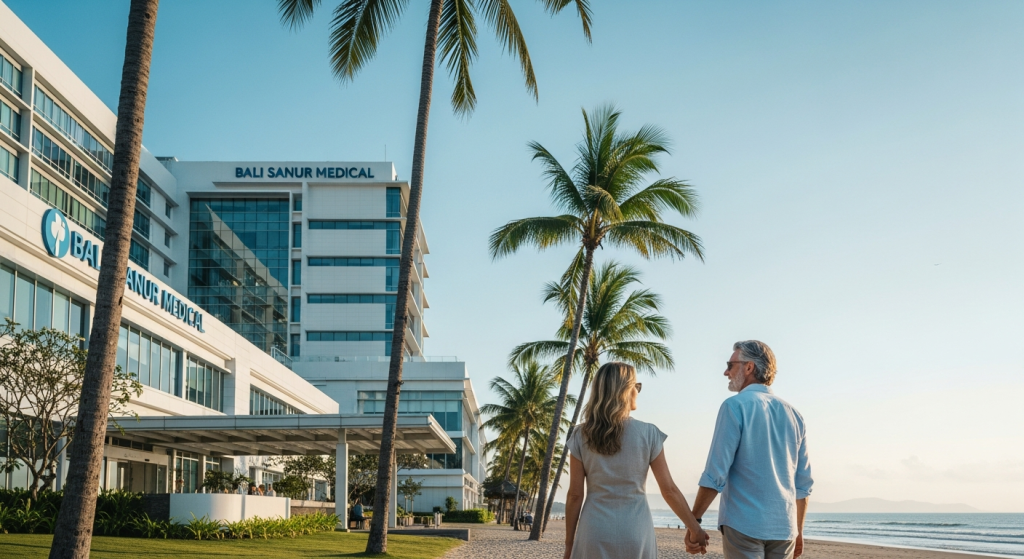
The optimal time for medical tourism in Bali, particularly for recovery in Sanur, aligns largely with the dry season from May to September. This period offers stable weather conditions ideal for post-procedure recuperation and gentle outdoor activity.
- Dry Season (May-September): Features lower humidity and minimal rainfall, promoting comfort and mobility.
- Shoulder Seasons (April & October): Provide a balance of pleasant weather and fewer tourist crowds, enhancing privacy.
- Wet Season (October-April): Offers a serene environment for indoor recovery, with lush landscapes and reduced external activity.
The tropical air of Bali carries the scent of frangipani and sea salt, a constant presence that shifts subtly with the seasons. For those arriving for medical care, understanding these rhythms is not merely a matter of comfort; it defines the very texture of recovery.
The Dry Season Advantage: May to September for Optimal Recovery
From May through September, Bali enters its dry season, a period widely recognized as the island’s most temperate. Daytime temperatures consistently hover between 28°C and 31°C, with humidity levels notably lower than other times of the year. This stable climate is particularly advantageous for patients undergoing procedures ranging from orthopedic surgeries to aesthetic enhancements, where post-operative comfort and mobility are paramount. Average monthly rainfall during these months rarely exceeds 60mm, concentrated in brief, predictable showers, offering expansive periods of clear skies.
Consider a patient recovering from a knee replacement at BIMC Hospital Kuta, which operates 24/7 with a 65-bed capacity. The ability to take short, supervised walks along Sanur’s tranquil beach path—a paved route stretching over 5 kilometers—becomes a tangible benefit. The gentle sea breeze and ample sunshine, often lasting 10 hours daily, contribute significantly to mood and vitamin D synthesis, crucial for bone health and overall well-being. For UHNW families arriving from Australia, a direct flight from Sydney to I Gusti Ngurah Rai International Airport (DPS) takes approximately 6 hours 20 minutes, landing them into a climate that actively supports recuperation. Our private transfers ensure a seamless, air-conditioned journey from the airport, located just 13 kilometers from Sanur’s medical district, directly to your private recovery villa.
This period also sees Bali’s cultural calendar in full swing, with numerous temple festivals (odalan) providing a vibrant, yet respectful, backdrop. While crowds may be higher in popular tourist areas like Seminyak or Ubud, Sanur maintains its reputation as a quieter, more discerning locale. The availability of specialized medical professionals at facilities like Siloam Hospitals Denpasar, a JCI-accredited institution with over 200 beds, remains consistent. For patients with a 7-day or 14-day medical package, the dry season allows for a balanced schedule of physiotherapy, follow-up appointments, and gentle exploration, maximizing the therapeutic aspects of their Bali experience. Access to specialist consultations for cardiology or IVF at facilities affiliated with Udayana University Medical Faculty is also streamlined during this peak period of operational clarity.
Wet Season: October to April for Tranquil Recuperation
The wet season, spanning from October to April, presents a different, yet equally compelling, environment for medical tourism in Bali. While characterized by higher humidity and more frequent rainfall—average monthly precipitation can reach 250-300mm—these showers are often intense but short-lived, typically occurring in the late afternoon or evening. Temperatures remain warm, ranging from 26°C to 30°C. For certain medical procedures, particularly aesthetic surgeries or treatments requiring minimal sun exposure, the wet season offers a distinct advantage. Patients recovering from laser treatments or dermal fillers find the naturally overcast skies and cooler, rain-washed air beneficial for skin healing and comfort.
The lush, vibrant landscape of Bali during the wet season provides a serene backdrop for indoor recovery. Private villas in Sanur, equipped with expansive living spaces and dedicated medical support from Bali Sanur Medical, become sanctuaries. The reduced tourist traffic during these months translates to a more peaceful environment, often with better availability for premium accommodation and private transport services. This quietude is particularly appealing for regional patients seeking a discreet recovery, or expat retirees based in Bali who prefer to avoid the dry season’s busier pace. Medical visas, valid for up to 60 days, allow ample time for procedures and a comprehensive recovery period, regardless of the season.
Hospitals such as Sanglah General Hospital, a government-run facility offering a broad spectrum of services, maintain their high standards of care year-round. While external activities might be limited by rain, our concierge services ensure seamless transfers to and from medical appointments, utilizing covered vehicles and direct routes. Wellness programs, including in-villa massage therapy and nutritional meal planning, are unaffected by weather conditions. The wet season also brings a unique cultural charm, with many local ceremonies taking on a mystical quality amidst the rain-soaked temples. For those focused on internal healing and quiet contemplation, the monsoon’s gentle rhythm can be profoundly therapeutic. Learn more about our comprehensive luxury recovery villas designed for all seasons.
Shoulder Seasons: April-May and September-October – The Insider’s Window
For the discerning medical traveler, the shoulder seasons—specifically April to early May and late September to October—represent a strategic window. These months bridge the transition between the wet and dry seasons, offering a harmonious blend of pleasant weather conditions and significantly fewer tourist crowds. Average daily temperatures remain comfortably in the 29-31°C range, with humidity levels beginning to drop in April-May and still moderate in September-October. Rainfall is minimal compared to the peak wet season, typically around 100-150mm per month, providing ample sunshine for gentle outdoor activities while avoiding the intensity of the high season.
This period is ideal for patients seeking a balance of optimal recovery conditions and enhanced privacy. The beaches of Sanur, known for their calm waters and sunrise views, are less populated, offering a more exclusive experience for post-procedure strolls. Accommodation rates for luxury villas and high-end resorts often see a slight decrease compared to the peak dry season, providing exceptional value without compromising on quality or service. For UHNW families, this means greater flexibility in booking preferred suites or securing specific medical specialist appointments with reduced lead times. Indonesia.travel highlights Bali’s diverse appeal during these transition periods.
Medical facilities like International Hospital Bali (under construction, aiming for JCI accreditation) and established centers like BIMC and Siloam operate at full capacity, but the surrounding infrastructure—traffic, restaurant bookings, local excursions—experiences less pressure. This translates to smoother transfers, quicker access to amenities, and a generally more relaxed atmosphere that supports a holistic recovery. Whether it is for a dental procedure, a stem cell therapy, or post-cardiology recovery, the shoulder seasons provide an environment conducive to both medical efficacy and personal rejuvenation. Our concierge team at balisanurmedical.com leverages this insider knowledge to optimize your entire medical journey, from initial consultation to complete recuperation.
Balinese Calendar & Local Impact: Planning Around Key Events
Bali’s rich cultural calendar, deeply rooted in Hindu traditions, can influence travel logistics and the overall atmosphere. Key events like Nyepi (the Day of Silence), Galungan, and Kuningan are significant. Nyepi, typically falling in March or April (based on the Saka calendar), involves a 24-hour island-wide shutdown, including the airport (DPS), from 6 AM to 6 AM the following day. All activities cease, and silence is observed. For medical tourists, this means no travel, no external movement, and hospitals operate with essential staff only. Planning procedures around Nyepi is crucial, ensuring patients are settled in their recovery accommodations well in advance or scheduling arrival/departure for other dates. For example, Nyepi in 2024 was on March 11th.
Galungan and Kuningan, celebrated twice every 210 days, mark the victory of dharma over adharma. While the island remains operational, local businesses might have reduced hours, and traffic can be heavier due to ceremonial processions, particularly in areas like Denpasar and Ubud. Many Balinese staff travel to their home villages for family ceremonies, which might subtly impact service levels in non-critical areas. However, core medical services at BIMC Hospital, Siloam Hospitals, and Sanglah General Hospital remain fully staffed and operational, ensuring continuous patient care. Our concierge team provides detailed advisories for these periods, arranging specific transport routes and ensuring all patient needs are anticipated.
Understanding these local nuances is part of the insider knowledge Bali Sanur Medical provides. While these cultural events offer a profound glimpse into Balinese life, their logistical implications for medical travelers require careful consideration. We ensure that your medical schedule, transfers, and recovery plan are meticulously coordinated to navigate any potential disruptions, allowing you to focus solely on your health. For instance, a patient undergoing IVF treatment requiring daily clinic visits would receive a precise schedule factoring in any local holidays, guaranteeing uninterrupted access to their specialists. Consult Wikipedia’s Balinese calendar for specific dates.
Clinical Considerations & Specialist Availability Year-Round
The operational capacity and specialist availability at Bali’s premier medical facilities remain robust throughout the year, irrespective of seasonal shifts. Hospitals like BIMC Hospital Kuta, renowned for its international patient services and emergency care, maintain a full complement of medical professionals. Siloam Hospitals Denpasar, part of Indonesia’s largest private hospital network with over 40 facilities, ensures consistent access to specialists across various disciplines, including cardiology, orthopedics, and advanced diagnostics. The quality of care, adhering to international standards and certifications, is a constant.
For specific treatments such as stem cell therapy or complex orthopedic procedures, which often involve multi-stage protocols or extended recovery, timing is primarily dictated by the patient’s medical needs and specialist availability rather than Bali’s climate. Our concierge service excels at coordinating these intricate schedules. We liaise directly with leading doctors and surgeons, ensuring your appointment aligns with their expertise and your personal recovery timeline. For example, a patient requiring a specific orthopedic surgeon might have their procedure scheduled for a particular month based on the surgeon’s rotation or conference attendance, rather than the weather.
Dental aesthetics, IVF cycles, and routine health checks are highly flexible and can be arranged at any time. Our network of accredited clinics and hospitals, including specialist dental centers in Sanur and fertility clinics in Denpasar, offers appointments year-round. Medical evacuations, a critical service for our family office clients, are facilitated 24/7, with access to air ambulance services and expedited hospital admissions. The focus remains on providing world-class medical care with the utmost convenience, ensuring that your health journey is smooth and efficient, whether you visit in the sun-drenched dry season or the tranquil wet season. We ensure every detail, down to your 7-day or 14-day recovery package, is meticulously planned.
Choosing the optimal time for your medical journey in Bali extends beyond flight schedules and hotel bookings; it involves understanding the island’s unique rhythm and leveraging insider knowledge to enhance your recovery. At Bali Sanur Medical, we transform these insights into a seamless, supportive experience. From personalized medical visas and VIP transfers to exclusive recovery villas in Sanur, every aspect of your stay is meticulously managed, allowing you to focus entirely on your well-being. Connect with us to plan your personalized medical and wellness itinerary, ensuring your time in Bali is both medically successful and deeply restorative. Your path to recovery begins here: balisanurmedical.com.